
01
“We run the business on spreadsheets and email.”
How we fix itWe turn the spreadsheet into a simple app: one place for clients, orders and schedules, with the right people seeing the right things.
Websites / Custom web apps
Next Nova builds custom web apps for small businesses: client portals, quote calculators, booking systems, dashboards and internal tools. We use Next.js, NestJS, Prisma and Supabase, and deliver in fixed-price phases. A first working version usually takes 6–10 weeks and starts from $8,000.
Trusted by 1,100+ small businesses




















01 Sound familiar?
If any of these sound like your week, a small custom tool can usually fix it. Here’s how.
How we fix itWe turn the spreadsheet into a simple app: one place for clients, orders and schedules, with the right people seeing the right things.
How we fix itA client portal lets them log in, see progress, download files and pay invoices without emailing you.
How we fix itWe connect them, or replace them with one tool that does what you need, linked to Stripe, QuickBooks, Google Workspace or GoHighLevel.
How we fix itWe start with one week of paid discovery: requirements, wireframes and a fixed quote, so you know the price before the build.
02 What you get
Small, focused tools that do one job well. Here’s the kind of thing we build.
Clients log in to see their projects, files, invoices and messages in one place.
Bookings, availability and reminders, built around how your business actually runs.
Customers price a job themselves, and you get a qualified lead with the details filled in.
The numbers you check every week, on one screen, from the tools you already use.
Applicant tracking and job listings, without a per-seat software bill.
A first working version of your product, ready to show customers and investors.
Document reading and chat over your own data, built into the tool your team uses.
Stripe, QuickBooks, Google Workspace and GoHighLevel, connected so data moves on its own.
03 How we work
Custom software goes wrong when the scope is vague, the client sees nothing for months, and the code is locked away. Here’s how we avoid all three.
Discovery first
One week of paid discovery turns your idea into requirements and wireframes. You get a fixed quote for the first version, so the price is agreed before the build starts.
Requirements and wireframes in 1 week
A fixed quote for version 1
Design in Figma before the build
Built in sprints
We build in 2-week sprints and show you a working demo at the end of each one. You see the app grow, try it yourself and change direction early, not after launch.
2-week sprints
A demo at the end of each sprint
Your feedback goes into the next sprint
Yours to keep
The repository sits in your GitHub, and the database and hosting accounts are in your name from day one. If you ever want another team to take over, they can.
Code in your GitHub
Database and hosting in your name
Documentation for the next developer
04 Price
Discovery comes first and turns your idea into a fixed quote for version 1. After that, each phase is priced before it starts.
From
$8,000
Small internal tools start around $8,000; portals and SaaS MVPs typically run $15,000–$40,000. Discovery gives you a fixed quote.
What’s always included
One week of discovery and a fixed quote
Screens designed in Figma
A demo every 2 weeks
Testing before launch
Code, database and hosting in your name
Documentation and handover
What changes the price
Number of user types and screens
Integrations with other tools
Payments and subscriptions
AI features
Support retainer after launch
How payment works: discovery is paid up front; each build phase is quoted at a fixed price before it starts. Card or bank transfer.
05 How it works
No open-ended hourly billing. Each phase has a fixed price, and you see working software every two weeks.
Week 1
Requirements, wireframes and a fixed quote for version 1.
Design
You see and approve the main screens before we build them.
Build
A working demo at the end of each sprint. You try it and steer.
Launch
Tested, deployed to your hosting and handed over with documentation.
After
Fixes, updates and new features, if and when you need them.
You own everything. The code, the database, the hosting and every login are yours. If you ever leave us, you take it all with you.
06 Selected work
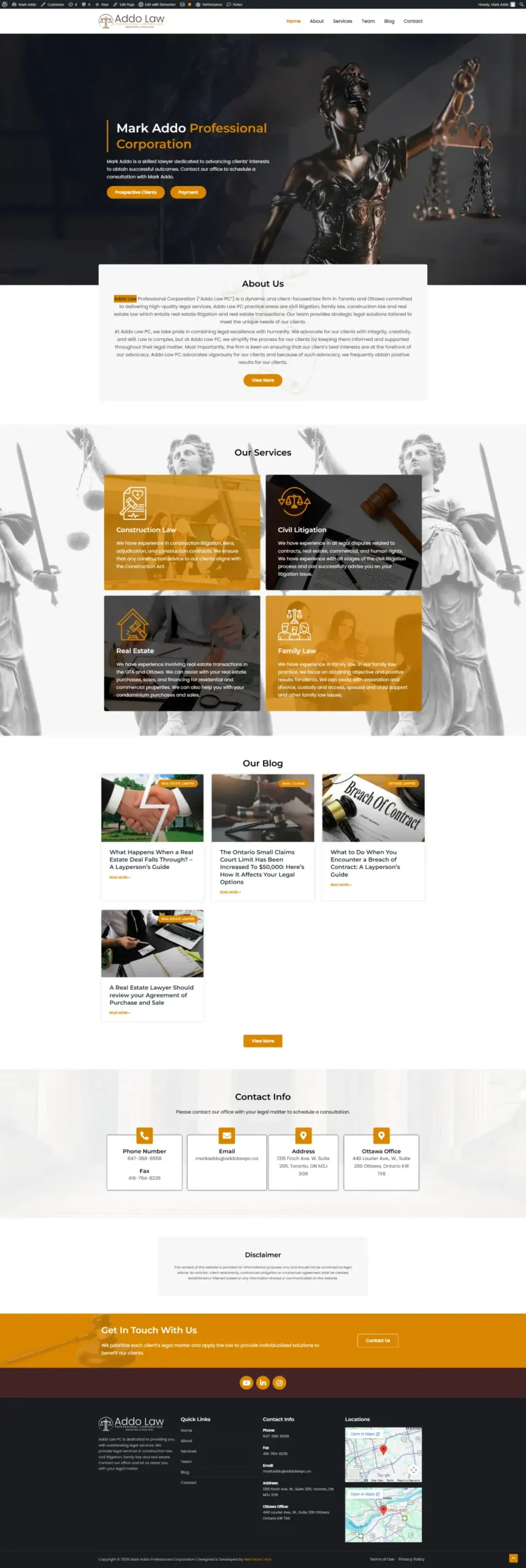
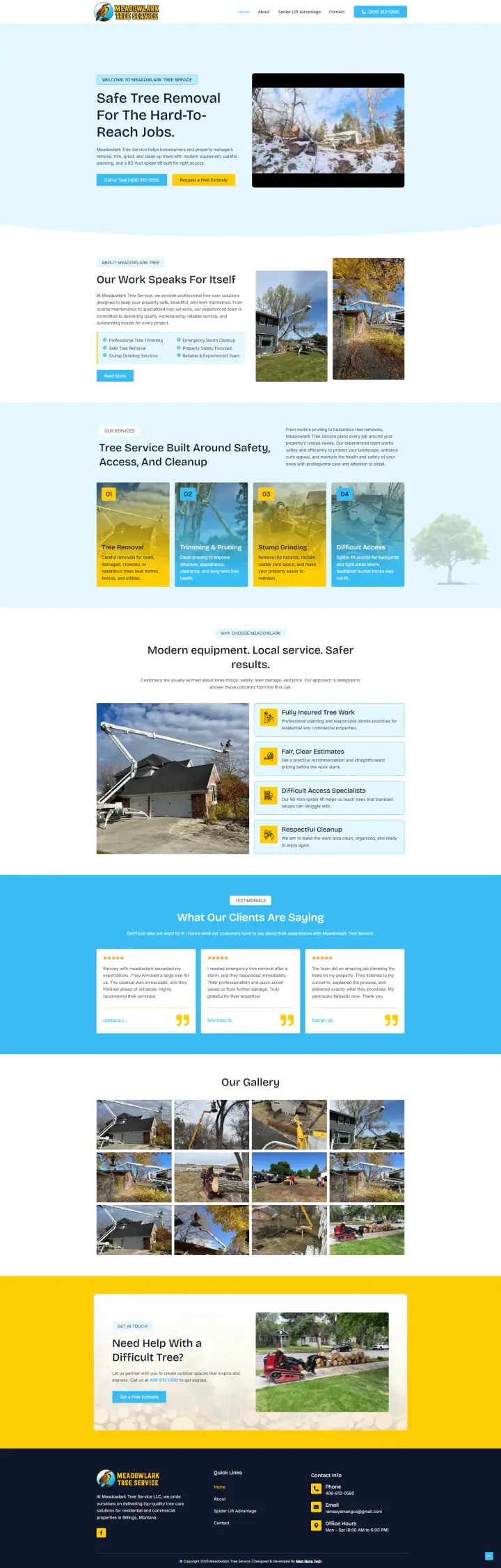
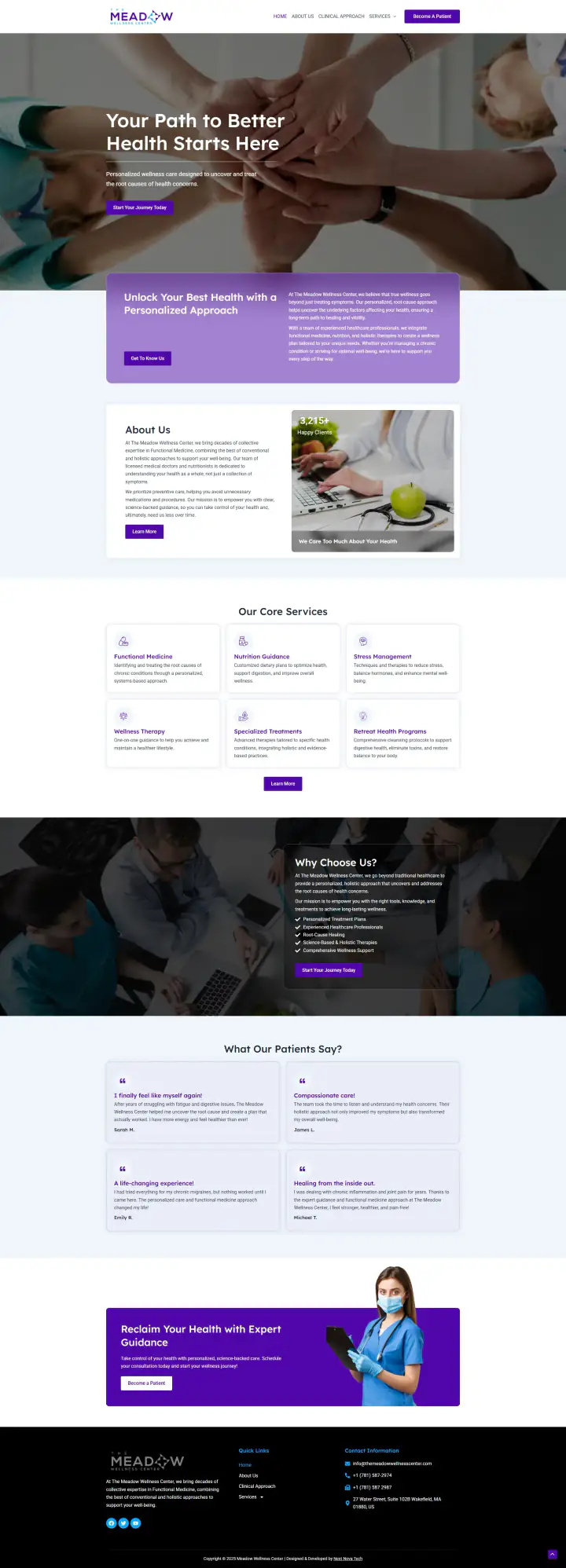
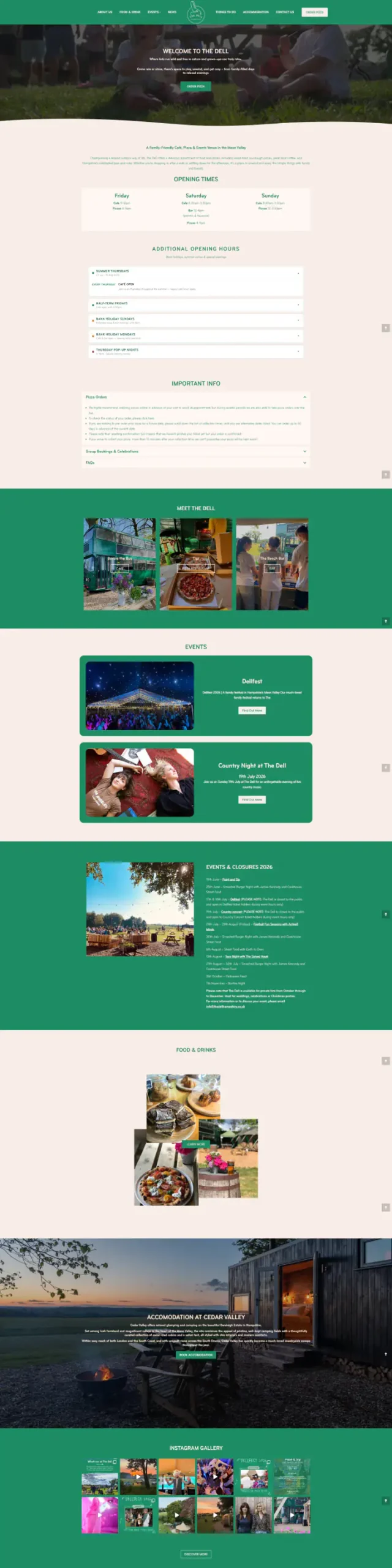
Our public portfolio shows websites. These are three of them, built by the team that would build your app. Tell us on the call what you need, and we’ll walk you through how we’d build it.
Tell us your industry on the call. We’ll introduce you to someone we’ve built for.
07 Compare
An honest look at the three usual ways to get a custom tool built.
08 Tools
Modern, well-supported tools, so any good developer can pick up the code later.
09 Is it right for you?
Custom software isn’t the right answer for everyone. Here’s how to tell before you spend a dollar.
Have a process that no off-the-shelf tool handles well.
Want clients to log in to see their work, files or invoices.
Pay for several tools that don’t talk to each other.
Are launching a product and need a first working version.
Need something simple that a no-code tool or an automation could do for less.
Mainly need a website to win customers. Start with WordPress.
Need a CRM with funnels and texting. GoHighLevel may already do it.
Need regulated software, like medical records. A specialist agency is a better fit.
10 Questions
Still unsure about something? Message us. A real person replies.
Ask on WhatsAppSmall internal tools start around $8,000; portals and SaaS MVPs typically run $15,000–$40,000. Discovery gives you a fixed quote.
Yes. The repository, database and hosting accounts are yours from day one.
Yes, either inside WordPress or as a separate app on a subdomain with single sign-on.
We’ll tell you if a no-code tool or an automation would do the job for a fraction of the price.
A first working version usually takes 6–10 weeks after a one-week discovery phase. You see a working demo every two weeks.
You can keep us on a support retainer for fixes, updates and new features, or hand the code to another team. Either way, it’s yours.